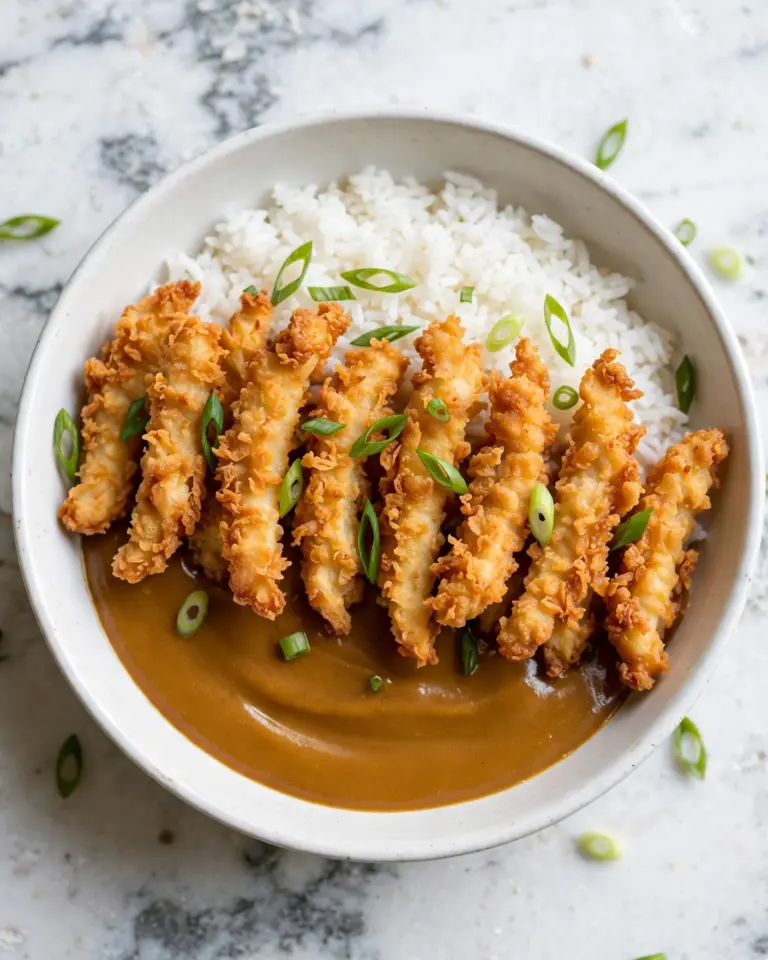
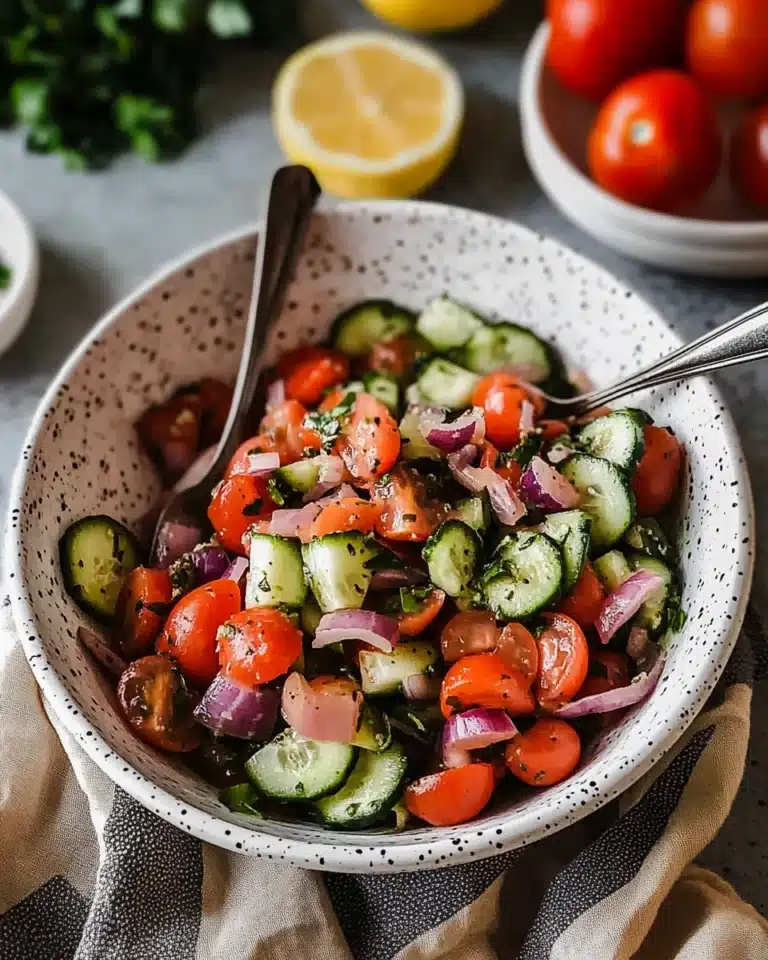
If you’re craving a salad dressing that’s bursting with authentic flavor and a creamy, nutty twist, look no further than this Japanese Sesame Dressing (Goma Salad Dressing) Recipe. It transforms any simple salad into a delightful celebration of taste and texture, combining toasted sesame seeds, rich Japanese mayonnaise, and a perfect balance of umami-packed seasonings. Whether you drizzle it over greens or use it as a dip, this dressing is an absolute game-changer and so easy to whip up in minutes!
Ingredients You’ll Need

The beauty of this Japanese Sesame Dressing (Goma Salad Dressing) Recipe lies in its simplicity—the ingredients are straightforward but each one plays an essential role. From the nuttiness of sesame seeds to the tang of rice vinegar, every element contributes to that irresistible creamy and savory essence.
- White sesame seeds: Toasting them brings out a deep, rich nuttiness that is the heart of this dressing.
- Unseasoned rice vinegar (komezu): Adds a gentle tang without overpowering the sesame flavor.
- Japanese soy sauce (koikuchi shoyu): Provides the perfect salty, umami backbone.
- Sugar (fine granulated): Balances the acidity with just a hint of sweetness.
- Dashi granules (optional): If you have them, they add an extra layer of traditional Japanese umami.
- Japanese mayonnaise (egg yolk-based, like Kewpie): Creates a creamy texture with subtle richness unique to Japanese mayo.
- Toasted sesame oil (optional): Introduces a final toasty aroma that enhances every bite.
How to Make Japanese Sesame Dressing (Goma Salad Dressing) Recipe
Step 1: Toast the Sesame Seeds
Begin by gently toasting 2 tablespoons of white sesame seeds in a dry frying pan over medium heat. Keep shaking the pan to prevent burning—once the seeds turn fragrant and lightly golden, remove them from the heat immediately to capture their nutty essence.
Step 2: Grind the Seeds
Quickly transfer the warm sesame seeds into a mortar. Using a pestle, grind them until you achieve a texture that’s half paste and half powder. This gives the dressing its characteristic creamy and grainy mouthfeel.
Step 3: Prepare the Vinegar Mixture
In a small bowl, whisk together 1 teaspoon of unseasoned rice vinegar, ½ tablespoon of fine sugar, and 1 teaspoon of Japanese soy sauce until the sugar dissolves completely. If you’re using the optional ⅛ teaspoon of dashi granules, stir them in here to boost umami flavor.
Step 4: Combine Ingredients
Add the ground sesame seeds and 2 tablespoons of Japanese mayonnaise to the vinegar mixture. Whisk everything together until you get a smooth, creamy consistency. This is where the dressing really starts to come to life with its luxurious texture and balanced flavor.
Step 5: Finish with Sesame Oil
Drizzle in 1 teaspoon of toasted sesame oil and whisk again to incorporate its toasty aroma and deepen the dressing’s flavor profile. Your Japanese Sesame Dressing (Goma Salad Dressing) Recipe is now ready to use immediately or chill in the fridge for 15 to 30 minutes to let the flavors meld beautifully.
How to Serve Japanese Sesame Dressing (Goma Salad Dressing) Recipe

Garnishes
Sprinkle toasted sesame seeds on top for an extra crunch and a lovely visual appeal. Chopped scallions or finely shredded nori also make great garnishes that highlight the dressing’s Japanese roots.
Side Dishes
This dressing pairs wonderfully with fresh garden salads, chilled tofu, or steamed vegetables like broccoli and green beans. It also shines as a dip for crisp vegetable sticks or drizzled over cold soba noodles for an easy Japanese-inspired meal.
Creative Ways to Present
Thinking beyond salads? Try tossing it with crisp iceberg lettuce and shredded carrots for a refreshing crunch or use it as a flavorful spread in wraps and sandwiches. You can even mix it into rice bowls to add a creamy, savory zing that elevates every bite.
Make Ahead and Storage
Storing Leftovers
Store any unused Japanese Sesame Dressing (Goma Salad Dressing) Recipe in an airtight container in the refrigerator. It should keep well for up to one week, giving you plenty of chances to add that delicious nuttiness to your meals throughout the week.
Freezing
Freezing this dressing is not recommended because the texture and flavor may suffer upon thawing. The creamy mayonnaise base can separate and become grainy, so it’s best enjoyed fresh or refrigerated.
Reheating
There’s no need to reheat this dressing—in fact, warming it might break the emulsification and alter the taste. Just give the container a good shake or stir before using if it has separated slightly in the fridge.
FAQs
Can I use black sesame seeds instead of white?
Absolutely! Black sesame seeds provide a more intense, slightly bitter flavor and darker color, which can add a unique twist to the dressing. Just toast and grind them as you would white sesame seeds.
What can I substitute for Japanese mayonnaise?
If you can’t find Japanese mayo like Kewpie, use a high-quality regular mayonnaise and add a little extra rice vinegar for tang. However, the distinctive egg yolk richness of Japanese mayo really enhances this recipe.
Is the dashi granules ingredient necessary?
No, dashi granules are optional but recommended if you want to add that authentic umami depth. If you don’t have dashi on hand, the dressing is still delicious without it!
How long does the dressing keep in the fridge?
Stored properly in an airtight container, the dressing should stay fresh for up to one week. Just give it a good stir before using if it thickens or separates slightly.
Can I use this dressing on cooked dishes?
Definitely! It’s excellent drizzled over steamed vegetables, grilled chicken, or fish. The creamy sesame flavor adds a wonderful contrast to warm dishes.
Final Thoughts
This Japanese Sesame Dressing (Goma Salad Dressing) Recipe is an easy way to bring a burst of Japanese-inspired flavor to your meals. It’s creamy, nutty, and perfectly balanced—making every salad, veggie, or dish it touches more exciting. I hope you give this a try soon and discover just how addictive this simple dressing can become in your kitchen!
Print
Japanese Sesame Dressing (Goma Salad Dressing) Recipe
- Total Time: 10 minutes
- Yield: 2 portions (small batch) or 16 portions (large batch)
- Diet: Halal
Description
This Japanese Sesame Dressing, also known as Goma Salad Dressing, is a creamy and nutty sauce perfect for elevating your salads or serving as a flavorful dipping sauce. Made with toasted white sesame seeds, Japanese mayonnaise, and traditional seasonings like rice vinegar and soy sauce, it comes together quickly and adds an authentic Japanese twist to any dish.
Ingredients
Small Batch (serves 2)
- 2 tbsp white sesame seeds (raw or toasted)
- 1 tsp unseasoned rice vinegar (komezu)
- 1 tsp Japanese soy sauce (koikuchi shoyu)
- ½ tbsp fine granulated sugar
- ⅛ tsp dashi granules (optional)
- 2 tbsp Japanese mayonnaise (egg-yolk-based, e.g., Kewpie)
- 1 tsp toasted sesame oil (optional)
Large Batch (serves 16)
- 140 g white sesame seeds
- 40 ml unseasoned rice vinegar (komezu)
- 40 ml Japanese soy sauce (koikuchi shoyu)
- 4 tbsp sugar
- 1 tsp dashi granules (optional)
- 230 g Japanese mayonnaise
- 40 ml toasted sesame oil
Instructions
- Toast the Sesame Seeds: Heat a dry frying pan over medium heat and add the white sesame seeds. Gently toast them, shaking the pan regularly until they are fragrant and slightly golden. Remove promptly to avoid burning.
- Grind the Seeds (Small Batch): Transfer the warm toasted sesame seeds to a mortar and grind with a pestle until the texture is half paste and half powder. (For large batch, blitz in a food processor until the same consistency.)
- Prepare the Vinegar Mixture: In a separate bowl, combine the unseasoned rice vinegar, sugar, and Japanese soy sauce. Stir until the sugar completely dissolves. If using, add the dashi granules and whisk them into the mixture.
- Combine Ingredients: Add the ground sesame seeds (or processed ones) into the bowl with the vinegar mixture. Stir in the Japanese mayonnaise and whisk until the dressing becomes smooth and creamy.
- Finish with Sesame Oil: Drizzle in the toasted sesame oil and whisk until fully incorporated. The dressing can be used immediately or chilled in the refrigerator for 15-30 minutes for optimal flavor.
- Serve and Enjoy: Drizzle over salads, use as a dipping sauce, or incorporate into your favorite dishes to enjoy the rich, nutty flavor of this authentic Japanese dressing.
Notes
- Use unseasoned rice vinegar (komezu), not sushi vinegar, for an authentic flavor.
- Toasting sesame seeds improves their aroma and adds depth to the dressing.
- Dashi granules are optional but add an umami boost if desired.
- Japanese mayonnaise such as Kewpie offers a richer texture and flavor compared to western-style mayonnaise.
- To store, keep the dressing in an airtight container in the refrigerator for up to one week.
- Feel free to adjust the sweetness or saltiness by modifying sugar and soy sauce quantities to suit your taste.
- Prep Time: 7 minutes
- Cook Time: 3 minutes
- Category: Sauces and Dressings
- Method: Stovetop
- Cuisine: Japanese