If you have ever dreamed of baking your own rustic, flavorful loaf, then this Beginner Sourdough Bread Recipe is the perfect gateway into the world of homemade sourdough. It beautifully balances simplicity and tradition, using only a handful of natural ingredients to create a bread that boasts a crisp crust, chewy crumb, and that unmistakable tangy taste that makes sourdough so beloved. Whether you are new to bread baking or seeking an easy-to-follow recipe, this step-by-step guide will have you confidently pulling a golden, aromatic loaf from your oven in no time.
Ingredients You’ll Need
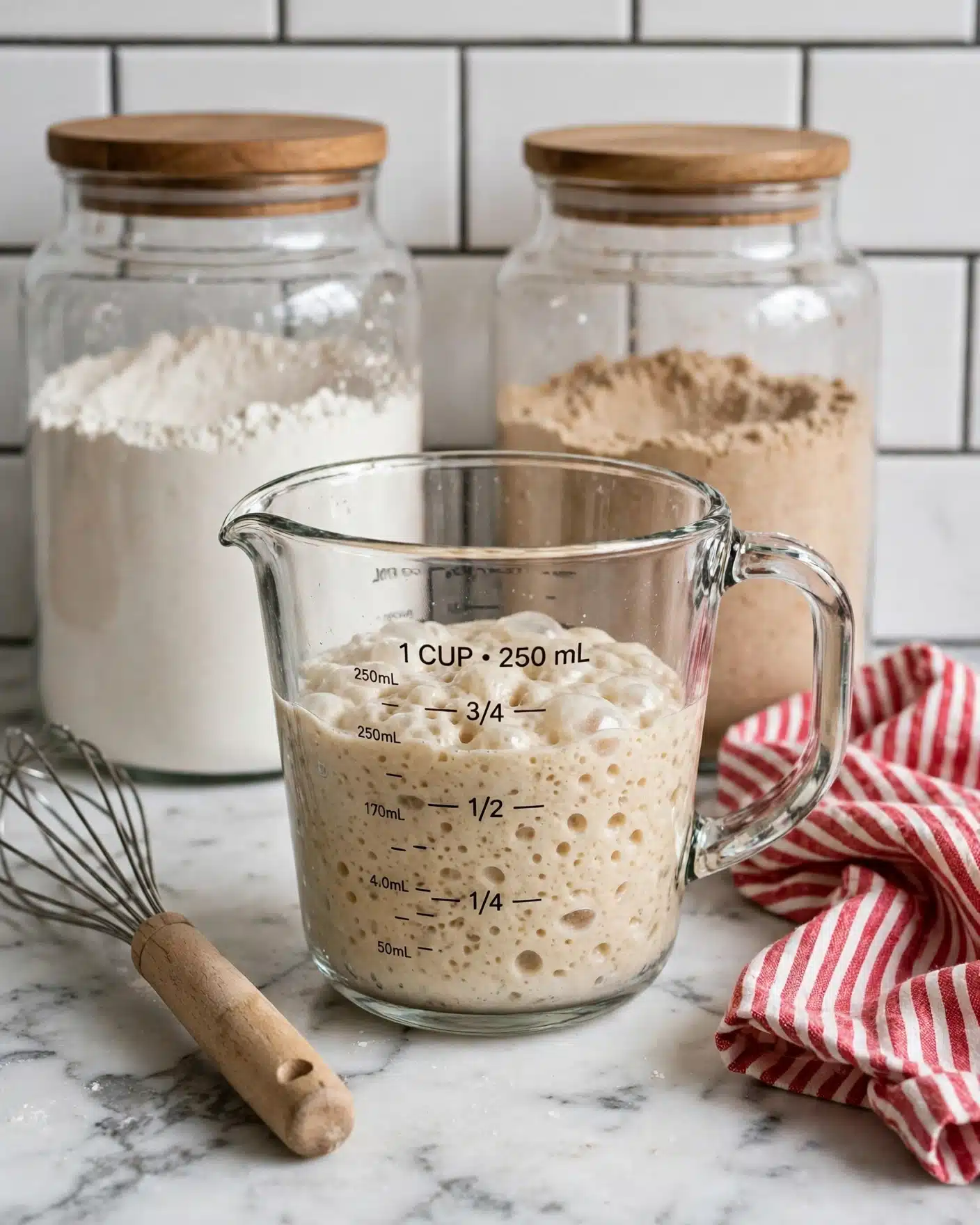
For this Beginner Sourdough Bread Recipe, you’ll need just a few straightforward ingredients that work together to create the magic of sourdough. Each component is essential, contributing flavor, structure, or the perfect texture to your loaf.
- Sourdough starter: This is the living culture that ferments the dough and gives sourdough its signature tang.
- All-purpose flour: Used for feeding the starter, it keeps your culture healthy and ready to work.
- Water: Hydrates the dough and activates the starter, helping gluten development and fermentation.
- Active sourdough starter (100% hydration): The main rising agent for this bread, it ensures a natural leaven without commercial yeast.
- Fine sea salt: Essential for flavor enhancement and controlling fermentation speed.
- Bread flour: Provides the strong gluten structure needed for a well-risen loaf with a chewy crumb.
How to Make Beginner Sourdough Bread Recipe
Step 1: Feed Your Sourdough Starter
To kick things off, you’ll prepare your active sourdough starter about 12 hours before mixing your dough. Combining sourdough starter, all-purpose flour, and water in a clean jar, stir to blend and loosely cover it at room temperature. This waiting period allows the starter to bubble up and double, showing it’s alive and ready to lend that beautiful rise and complex flavor to your bread.
Step 2: Make the Dough
Transfer a portion of your bubbly starter into a large bowl with water, mixing evenly. Add bread flour and sea salt, then combine everything into a shaggy dough with a spatula or your hands. This tactile moment is so satisfying because you can already feel the promise of fresh bread forming. Cover and let rest for an hour, giving the flour a chance to absorb the liquid fully.
Step 3: Stretch and Fold
Wet your hand to prevent sticking and gently stretch a section of dough over itself, turning the bowl a quarter each time until you’ve come full circle. This technique builds strength and structure within your dough, a key step that aligns gluten strands without heavy kneading. After a short rest, repeat the process once more to encourage an open crumb and good rise.
Step 4: Bulk Fermentation
Your dough now needs time to rise on the counter between seven and ten hours. Unlike typical bread that doubles, expect a 50-75% expansion here. This slow fermentation allows flavors to deepen and texture to develop. Check the dough’s readiness by its volume and handling; a slight under-proof is better than over-proof for shaping success.
Step 5: Shape and Second Rise
Turn your dough out onto a floured surface and gently shape it into a smooth ball by folding its edges inward. The finesse here creates surface tension that helps your loaf hold its shape in the oven. Placing the dough, seam side down, on parchment allows for easy transfer. Cover and let it rest for 1-2 hours until it slowly puffs and the indentation test indicates it’s ready for baking.
Step 6: Score and Bake
Preheat your oven and dutch oven to 450°F (232°C), then transfer the dough—using parchment as a sling—into the hot pot. Scoring the surface right before baking gives your loaf room to expand beautifully without cracking randomly. After covered baking, removing the lid lets the crust brown to a perfect golden crisp. Aim for an internal temperature of about 205-210°F for ideal doneness.
Step 7: Cool
Patience is key here—cool your loaf on a rack for at least an hour or two. This resting time allows residual heat to finish baking the crumb and helps prevent any gummy texture when sliced. It’s hard to wait, but trust me, the reward is well worth it.
How to Serve Beginner Sourdough Bread Recipe
Garnishes
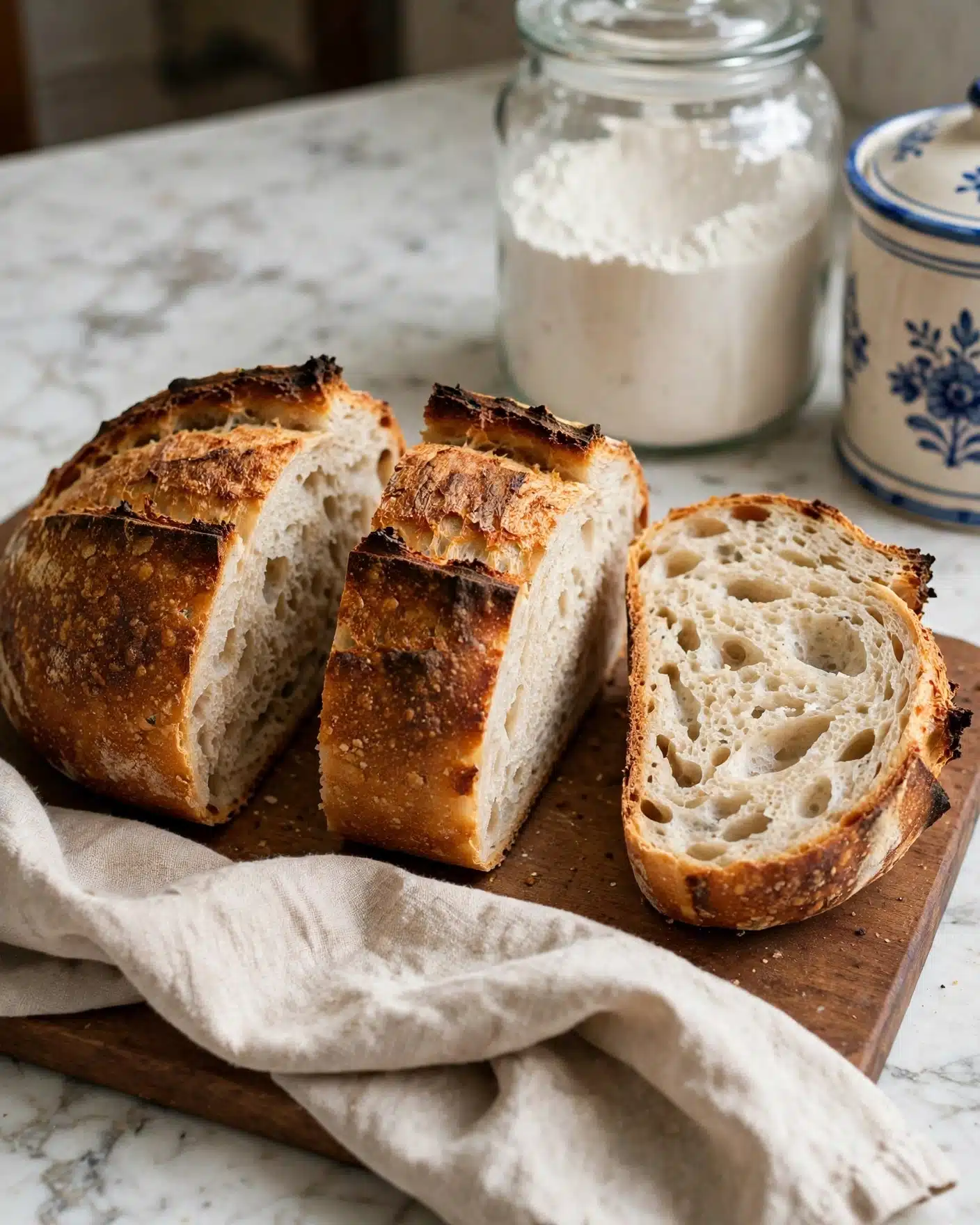
Nothing beats the fresh taste of warm sourdough spread with melting butter. You can also toast slices and add a sprinkle of garlic herb butter or a drizzle of olive oil and flaky sea salt for an easy gourmet touch.
Side Dishes
Sourdough pairs beautifully with soups, stews, and salads thanks to its hearty texture and tangy flavor. Try it alongside a bowl of creamy tomato basil soup or a fresh green salad with vinaigrette to balance the bread’s depth.
Creative Ways to Present
Serve your loaf sliced thick with a board of assorted cheeses, cured meats, and seasonal fruits for an inviting spread at any gathering. You can also hollow out a loaf to use as a bread bowl for dips or cheese fondue, impressing friends with minimal effort.
Make Ahead and Storage
Storing Leftovers
Keep your leftover sourdough fresh at room temperature in a breathable bread bag, or wrapped loosely in a cloth or beeswax wrap. This maintains the crust’s crunch while preventing the crumb from drying out. Avoid refrigeration, as it causes bread to stale faster.
Freezing
If you want to enjoy your sourdough over time, freeze whole loaves or individual slices tightly wrapped in plastic and placed inside a freezer-safe container. Frozen sourdough can retain its deliciousness for up to 3 months, making it a perfect option for busy weeks.
Reheating
To bring back that fresh-from-the-oven aroma, warm slices gently in a toaster or oven. For whole loaves, sprinkle a bit of water on the crust and heat at 350°F for 10-15 minutes to revive crispness without drying out the interior.
FAQs
What is the difference between a sourdough starter and commercial yeast?
A sourdough starter is a natural fermentation culture of wild yeast and beneficial bacteria, which develops over time and imparts unique flavors and a chewy texture. Commercial yeast is a single yeast strain that works quickly but lacks the depth and health benefits of a starter.
Can I make this bread without a dutch oven?
Yes! You can bake your sourdough on a preheated baking stone or heavy baking sheet, adding a pan of hot water to the oven to create steam for crust development. While a dutch oven traps steam better, you can still get great results with these alternatives.
How do I know if my sourdough starter is ready to use?
Your starter is ready when it has doubled in size, has plenty of bubbles on the surface and sides, and responds with a slight dome shape. It should also have a pleasantly tangy, yeasty aroma.
Why does my bread sometimes turn out dense?
Dense bread usually indicates under-proofing, insufficient gluten development, or too little fermentation time. Following the stretch and fold steps carefully and allowing the bulk rise to fully mature will help produce a lighter crumb.
How long does it take to bake the sourdough bread?
The baking time is typically around 45-50 minutes, including a covered phase for 20 minutes and an uncovered phase for 25-30 minutes, creating that signature crunchy crust and chewy interior.
Final Thoughts
Baking your own sourdough bread might feel like a big adventure at first, but with this Beginner Sourdough Bread Recipe, it becomes a joyful, rewarding experience you’ll want to repeat. The wonderful aroma filling your kitchen and the unbeatable taste of fresh homemade bread make every step worth it. Trust yourself, have fun, and enjoy every delicious slice!
Print
Beginner Sourdough Bread Recipe
- Total Time: 8 hours 10 minutes
- Yield: 1 loaf (about 9-10 inches in diameter)
Description
This Beginner Sourdough Bread recipe guides you through making a classic, crusty loaf with a chewy interior using a natural sourdough starter. With simple ingredients and step-by-step instructions, you’ll learn how to mix, ferment, shape, and bake your own artisan bread perfect for sandwiches, toasts, or enjoying with butter and jam.
Ingredients
Starter
- 2 teaspoons sourdough starter
- 3 tablespoons all-purpose flour
- 5 teaspoons water
Dough
- 1/4 cup active sourdough starter (100% hydration, approximately 50 g)
- 1 1/3 cups + 2 tablespoons water (350 g)
- 2 teaspoons fine sea salt (10 g)
- 4 cups + 2 tablespoons bread flour (500 g)
Instructions
- Feed your Sourdough Starter: About 12 hours before making the dough, prepare 1/4 cup (50 g) of active sourdough starter by mixing sourdough starter, all-purpose flour, and water in a clean jar. Stir well, cover loosely, and leave at room temperature until it doubles in size and shows bubbles, signaling it’s ready to use.
- Make the Dough: In a large mixing bowl, combine 50 g of active starter with 350 g water, stirring to distribute evenly. Add 500 g bread flour and 10 g sea salt. Mix with a stiff spatula or your hands until a shaggy dough forms with no dry flour remaining. Cover and let rest for one hour at room temperature.
- Stretch and Fold: Wet your hand to prevent sticking. Lift one side of the dough and stretch it over itself. Rotate the bowl a quarter turn and repeat until a full circle is completed, forming a tight ball. Cover and rest for 30 minutes. Repeat the stretch and fold once more to build dough strength.
- Bulk Fermentation: Cover the dough and leave it on the counter for 7-10 hours. The dough should rise about 50-75%, not double. If it doubles or is hard to shape, it may be over-proofed; adjust rising time next bake accordingly.
- Shape and Second Rise: Flour a surface and gently turn the dough out. Shape into a ball by folding all four sides into the middle, then flip seam-side down. Cup the dough with your hands, pulling and twisting toward you to tighten the surface. Place on parchment paper and transfer into a medium bowl. Cover and let rise 1-2 hours. Test by poking an indentation; if it springs back fully, it needs more rising time.
- Score and Bake: Preheat the oven to 450°F (232°C) with a Dutch oven inside 30 minutes before baking. Using gloves, carefully remove the Dutch oven, take off the lid, and score the dough top with a sharp knife. Lift the dough using the parchment sling into the Dutch oven. Cover and bake 20 minutes, then remove the lid and bake 25-30 minutes more until golden brown and internal temp reaches 205-210°F (96-99°C).
- Cool: Transfer bread to a rack and cool for 1-2 hours to finish cooking and prevent gummy texture.
- Store: Keep bread at room temperature wrapped in a kitchen towel, bread bag, or beeswax wrap. Avoid refrigeration. Freeze whole or sliced loaves wrapped tightly for up to 3 months.
- Serve: Enjoy warm sourdough bread with butter, homemade Nutella, or strawberry jam for a delicious treat.
Notes
- Use a digital thermometer to ensure the bread is baked to the proper internal temperature (205-210°F) for best texture.
- Avoid refrigerating sourdough bread to maintain its crust and texture.
- Adjust bulk fermentation time based on room temperature and dough activity to prevent over-proofing.
- Use 100% hydration starter for best results in this recipe.
- Let the dough rest and ferment adequately to develop flavor and texture.
- Use a Dutch oven for optimal crust development, but a heavy covered pot can work as a substitute.
- Prep Time: 15 minutes
- Cook Time: 50 minutes
- Category: Bread
- Method: Baking
- Cuisine: American