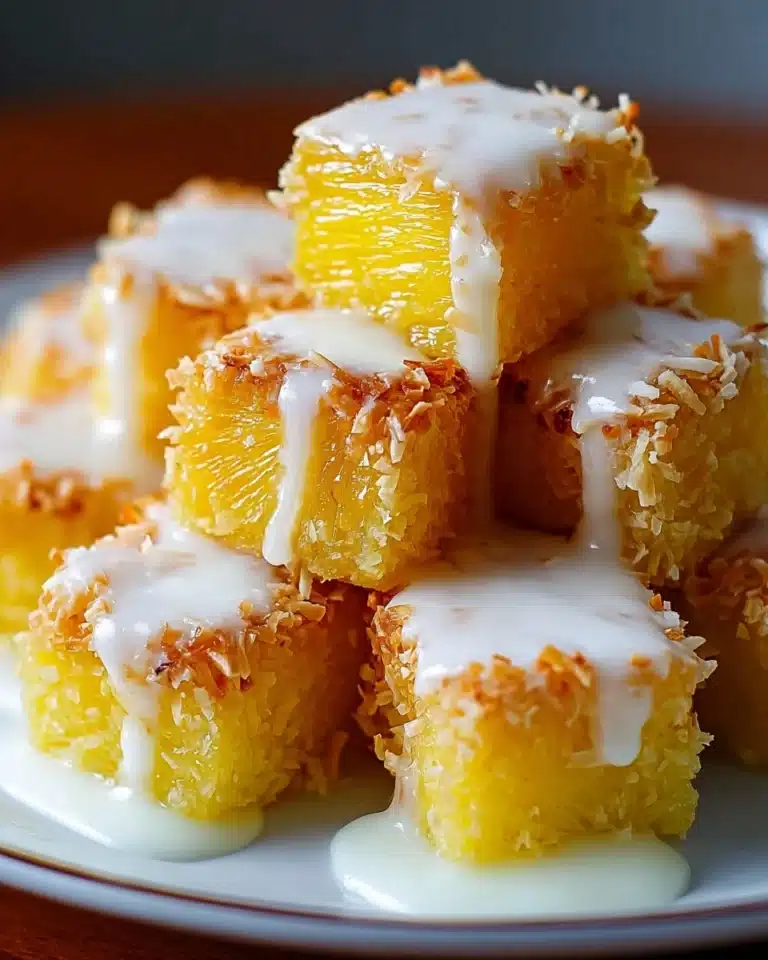
There is something utterly magical about the flaky, caramelized crust paired with the rich, creamy custard nestled inside that makes this Portuguese Egg Tart (Pastel de Nata) Recipe an absolute showstopper. Each bite offers a perfect balance of buttery layers and a smooth, sweet filling infused with subtle hints of cinnamon and lemon, transporting you straight to the charming streets of Lisbon. Whether you’re a seasoned baker or an eager beginner, this recipe delivers a wonderful opportunity to create a beloved classic that will have everyone asking for seconds.
Ingredients You’ll Need

These ingredients may seem simple, but each one plays a crucial role in building the texture, flavor, and signature look of the pastel de nata. From the buttery layers of pastry to the silky custard filling, you’ll see how every component contributes to this stunning dessert.
- 215 g (1 1/3 cups) all-purpose flour: The backbone of the dough, providing structure and the perfect flaky texture.
- 1/4 teaspoon salt: Balances the sweetness and enhances all the flavors in the dough.
- 150 g (1/2 cup + 2 tablespoons) water: Hydrates the flour to form the dough and keeps it pliable for rolling.
- 1 stick (113 g) unsalted butter, very softened: Adds richness and creates those beautiful flaky layers in the pastry (*Footnote 1).
- 40 g (1/3 cup) all-purpose flour: Used in the custard to help thicken it gently and give a lovely velvety texture.
- 1/2 teaspoon salt: Just a pinch to balance the custard’s sweetness.
- 1 cup (240 ml) milk: The creamy base for the custard, making it smooth and luscious.
- 5 egg yolks: Essential for that rich, custardy flavor and luscious texture that defines this tart.
- Peels of 1 lemon (or 1 teaspoon lemon extract): Infuses a fresh citrus aroma that complements the sweetness beautifully.
- 2 cinnamon sticks (or 1/4 teaspoon ground cinnamon): Adds a warm spice note that’s subtle but unmistakably comforting.
- 140 g (1/2 cup + 2 tablespoons) sugar: Sweetens the custard and caramelizes on top for those signature browned spots.
- 57 g (1/4 cup) water: Combines with sugar to create the syrup that enriches the custard’s flavor.
How to Make Portuguese Egg Tart (Pastel de Nata) Recipe
Step 1: Prepare the Dough
Start by mixing the flour and salt in a bowl, then gradually add water while stirring until a rough dough forms. Knead briefly on a floured surface until you have a slightly coarse ball. Cover and let it rest; this resting phase really helps with elasticity and makes the dough easier to work with later on.
Step 2: Make the Pastry
Rolling and folding the dough with softened butter in stages is the secret to creating the iconic flaky layers. Spread the butter on the rolled dough, fold into thirds, rotate, and repeat a couple of times. Each fold traps air and layers buttery goodness, so be gentle and patient during this process. When done, roll the dough into a log, cut in half, and chill to firm up.
Step 3: Make the Syrup
Bring sugar, water, lemon peel, and cinnamon sticks to a boil briefly, then cool down. This syrup is what will later add both sweetness and subtle aromatic complexity to the custard, making it truly special.
Step 4: Make the Custard
Cook flour, milk, and salt while whisking to thicken into a smooth paste, then let it cool. Strain the syrup through to remove the lemon and cinnamon, mix into the paste, and whisk in the egg yolks. Straining the finished custard again ensures a silky, lump-free texture that everyone will adore.
Step 5: Assemble and Bake
Cut the chilled dough logs into pieces, roll into circles, and press into muffin tins to form tart shells. Fill generously with the luscious custard, then bake at a high temperature. The final moments at even higher heat or with a quick torch are vital for achieving the signature golden-brown spots on top—the hallmark of a perfect pastel de nata.
How to Serve Portuguese Egg Tart (Pastel de Nata) Recipe

Garnishes
A light dusting of cinnamon sugar adds a nostalgic touch that beautifully enhances the tart’s warmth and sweetness without overpowering the delicate custard. You can also add a touch of powdered sugar for a festive look if serving for guests.
Side Dishes
These tarts shine on their own but complement coffee or tea impeccably, making them an ideal indulgent treat for breakfast or afternoon snack. Pair with a robust espresso or your favorite black tea for a lovely balance of flavors.
Creative Ways to Present
For a unique twist, serve the tarts warm with a drizzle of caramel or a dollop of freshly whipped cream. For special occasions, garnish with edible flowers or fresh berries to add color and a touch of elegance. These small details turn this humble tart into a stunning dessert centerpiece.
Make Ahead and Storage
Storing Leftovers
Store any leftover tarts in an airtight container in the fridge. They keep well for 3 to 4 days, making them a convenient treat to enjoy without extra prep time during the week.
Freezing
While the dough can be frozen before baking, once the tarts are baked, freezing is not recommended as it affects the texture of both pastry and custard. If you want to prep ahead, freeze the shaped dough logs for up to a month before baking to save time later.
Reheating
To bring back that fresh-from-the-oven magic, reheat your tarts in a 400°F (200°C) oven for 5 to 10 minutes. This warms the custard and crisps up the pastry again, making every bite taste like it’s straight from the bakery counter.
FAQs
Can I use store-bought puff pastry instead of making the dough?
Absolutely! Using store-bought puff pastry is a great shortcut and still yields delightful results, though the flavor and texture might be a bit less delicate than when you make the dough yourself. It’s a great option when you’re short on time.
What causes the custard to crack or curdle?
This typically happens if the custard is cooked over too high heat or mixed too vigorously when hot. Cooking slowly and constantly whisking to thicken ensures a smooth, creamy texture without any cracks.
Can I add other flavors to the custard?
Yes! While the classic recipe highlights lemon and cinnamon, you can experiment with vanilla, orange zest, or even a splash of liqueur to create personalized twists on this traditional recipe.
Why do the egg tarts have those signature dark spots on top?
Those caramelized brown spots come from baking the tarts at a very high temperature near the end, which chars the custard slightly, adding a beautiful contrast of flavor and visual interest that is characteristic of authentic pastel de nata.
Is it necessary to use fresh lemon peel, or can I use lemon extract?
Both work well! Fresh lemon peel offers a bright, natural flavor, but lemon extract is a convenient alternative that still adds lovely citrus notes without the prep.
Final Thoughts
I cannot recommend enough giving this Portuguese Egg Tart (Pastel de Nata) Recipe a try — the satisfaction of pulling golden, blistered custard tarts from your oven is truly unbeatable. With a little patience and love, you’ll create something that feels both impressive and comforting. So, gather the ingredients, roll up your sleeves, and get ready to bring a bit of Portugal’s sweetest tradition right into your kitchen!
Print
Portuguese Egg Tart (Pastel de Nata) Recipe
- Total Time: 4 hours 20 minutes (includes refrigeration and resting times)
- Yield: 10 servings
- Diet: Vegetarian
Description
Portuguese Egg Tarts, also known as Pastel de Nata, feature a flaky, buttery puff pastry shell filled with a creamy, sweet egg custard that is baked until the custard is set and beautifully caramelized on top. This classic Portuguese dessert is beloved for its contrast of crisp pastry and smooth custard, infused with subtle notes of lemon and cinnamon.
Ingredients
For the Dough:
- 215 g (1 1/3 cups) all-purpose flour
- 1/4 teaspoon salt
- 150 g (1/2 cup + 2 tablespoons) water
- 1 stick (113 g) unsalted butter, very softened
For the Custard:
- 40 g (1/3 cup) all-purpose flour
- 1/2 teaspoon salt
- 1 cup (240 ml) milk
- 5 egg yolks
- Peels of 1 lemon (or 1 teaspoon lemon extract)
- 2 cinnamon sticks (or 1/4 teaspoon ground cinnamon)
- 140 g (1/2 cup + 2 tablespoons) sugar
- 57 g (1/4 cup) water
Instructions
- Prepare the Dough: Combine 215 g flour and 1/4 teaspoon salt in a medium bowl. Pour in 150 g water and stir with a spatula until a dough forms. Transfer to a floured surface and knead briefly for about 5 minutes until a slightly coarse ball forms. Place it back in the bowl, cover, and rest for 15 minutes until smooth and sticky.
- Make the Pastry: Roll the rested dough into a thin rectangle about 1/8 inch thick. Spread one-third of the softened butter over the dough leaving a 1” border. Fold the dough in thirds like a letter and rotate 90°. Repeat rolling, butter spreading, folding, and rotating two more times, finishing with the remaining butter. Finally, roll into a 1/8 inch thick rectangle, trim edges, then roll into a log. Cut the log in half, wrap in plastic, and refrigerate for 2 hours or freeze for 1 hour until firm.
- Prepare the Syrup: Combine sugar, 57 g water, lemon peel, and cinnamon sticks in a saucepan. Boil for 1 minute, then remove from heat to cool. If using lemon extract and ground cinnamon instead, add after boiling.
- Make the Custard: In another saucepan, whisk flour, milk, and salt over medium heat until thickened, about 3 minutes. Cool for at least 10 minutes. Strain this mixture into the syrup through a sieve, discarding lemon peels and cinnamon sticks. Whisk in egg yolks, then strain the custard again through a fine sieve for smoothness.
- Assemble the Tarts: Preheat oven to 425°F (218°C). Slice each dough log into 5 pieces (10 total). Dust cut ends with flour, then roll each piece into a 3-inch circle. Press firmly into ungreased muffin tin, reaching just above the edges. Fill each pastry shell about 3/4 full with custard.
- Bake the Tarts: Bake at 425°F (218°C) for 15-20 minutes, rotating halfway, until the custard sets and edges turn light brown. Increase oven to 500°F (260°C) and bake for an additional 5 minutes to achieve a golden brown crust and caramelized custard surface with dark patches. Optionally, use a blowtorch to evenly char if needed.
- Cool and Serve: Remove tins to a cooling rack. Let cool slightly before removing the tarts. Serve warm or at room temperature. Optionally, sprinkle with a cinnamon-sugar mixture for garnish.
- Store and Reheat: Store in an airtight container refrigerated for 3-4 days. Reheat in a 400°F (200°C) oven for 5-10 minutes before serving. Avoid freezing.
Notes
- Butter should be very softened but still spreadable for best layering in the dough.
- Do not over-knead the dough to avoid developing gluten that will toughen the pastry.
- The lemon peel and cinnamon sticks infuse subtle aroma into the syrup; if substituting with extracts, add after boiling to preserve flavor.
- Straining custard multiple times ensures a smooth, velvety texture.
- Oven temperatures may vary; use a blowtorch on the custard surface to achieve signature caramelized spots if needed.
- Best enjoyed fresh but can be refrigerated and gently reheated.
- Prep Time: 20 minutes (includes dough resting and chilling time)
- Cook Time: 40 minutes (baking plus custard cooking and syrup preparation)
- Category: Dessert
- Method: Baking
- Cuisine: Portuguese