If you have ever dreamed of baking bakery-quality bread right in your own kitchen with minimal fuss, this Dutch Oven No Knead Crusty Bread Recipe is the perfect gateway. Imagine the aroma of freshly baked bread filling your home, the crust crackling under your knife, and the tender, chewy interior melting in your mouth. This recipe is a total game-changer because it requires no kneading, just simple ingredients, and a little patience, making artisan bread accessible to everyone. Whether you’re a beginner or a seasoned baker, these step-by-step instructions will guide you to a crusty, golden loaf that’s sure to become a household favorite.
Ingredients You’ll Need
You’ll find that this recipe uses a handful of easy-to-source ingredients. Each one plays a special role, from creating the crust’s crunch to developing the loaf’s flavor and texture. The simplicity here makes it all the more irresistible – no complicated flour blends or mysterious additives, just pure, honest bread.
- 1 1/2 cups warm water: Acts as the perfect medium to activate the yeast and hydrate the flour for a tender crumb.
- 1 packet yeast (2.25 teaspoons): This is the magical ingredient that makes the dough rise and gives bread its lovely texture.
- 1 ½ teaspoons fine grain salt: Enhances flavor and also helps strengthen the dough’s structure for a better rise.
- 3 1/4 cups all-purpose flour: The foundation of the bread, providing the necessary gluten to develop that chewy, satisfyingly crusty loaf.
How to Make Dutch Oven No Knead Crusty Bread Recipe
Step 1: Mix the Water, Yeast, and Salt
Start by combining the warm water, yeast, and salt in a large bowl. The water should be around 100 degrees Fahrenheit — warm enough to wake the yeast up without killing it. I like to whisk this mixture until everything is just about dissolved. That first step is like setting the stage for the magic to happen.
Step 2: Add the Flour
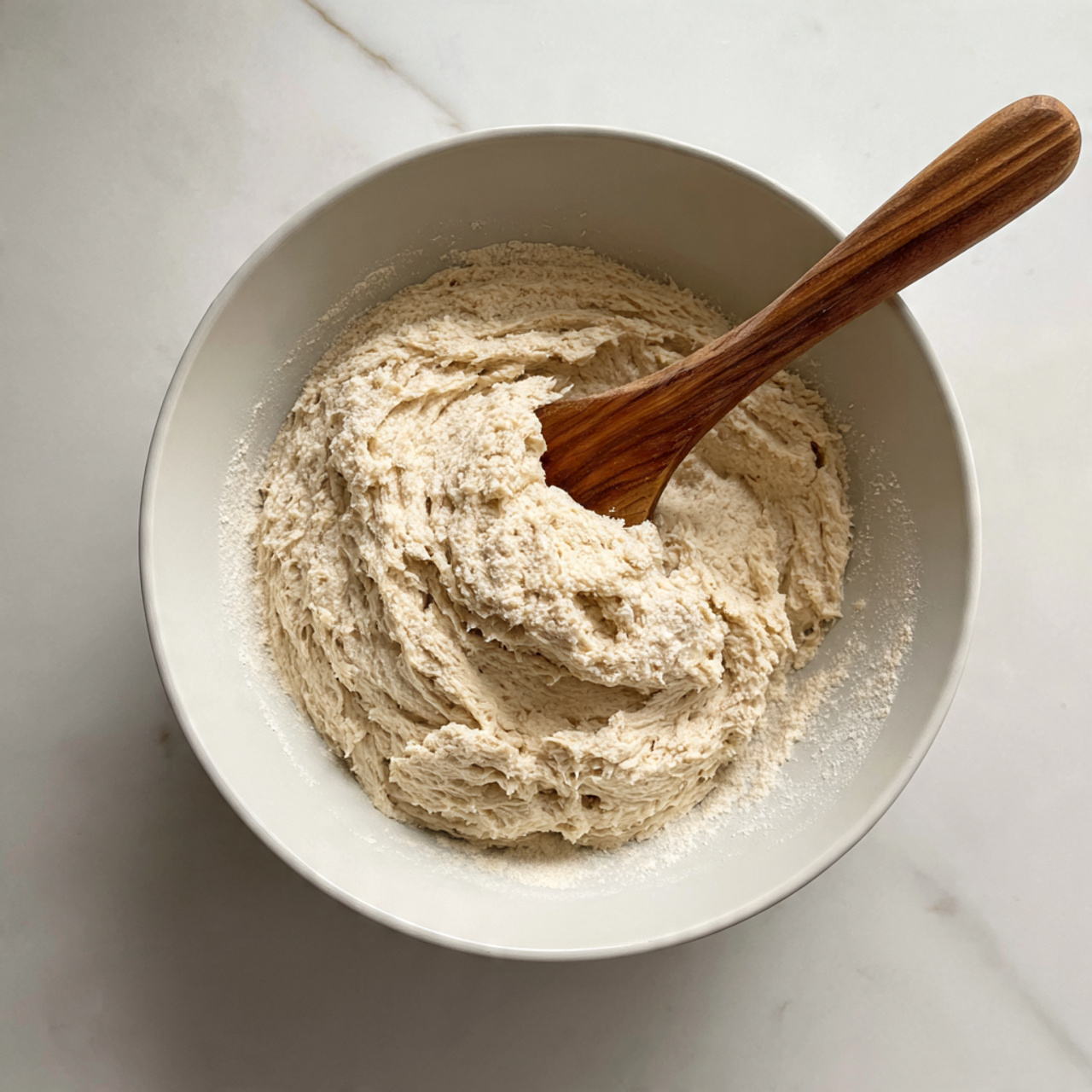
Next, dump in the all-purpose flour all at once. Using a spoon or spatula, stir it just enough until the flour is fully moistened and you have a sticky, shaggy dough. Don’t fret if it looks messy or sticky; that’s exactly what this no knead method calls for. If it feels a bit too wet or dry, adjust with small amounts of flour or water—as your intuition will tell you.
Step 3: Let the Dough Rise
Cover your bowl with a kitchen towel or loosely with a lid and let the dough rest in a warm spot for 2 to 3 hours. You’ll see it swell and puff up nicely, doubling in size as the yeast works its magic. A warm, cozy environment ensures the best rise.
Step 4: Preheat Your Dutch Oven
An important step for that crispy crust involves preheating your Dutch oven. Place it with the lid on in a 450-degree oven about 30 to 60 minutes before baking. This super hot vessel gives the bread that coveted crunch and even bake.
Step 5: Shape and Prepare the Dough
Sprinkle some flour on a piece of parchment paper and transfer your risen dough onto it. Gently fold the edges under to form a loose loaf shape — it doesn’t need to be perfect, rustic charm is part of the appeal. Flip the dough over so the floured side is up, centering it on the paper.
Step 6: Score and Bake
If you like, take a sharp knife or razor blade and make a few shallow slits across the top. This helps control how the bread expands during baking while adding a lovely finishing touch. Carefully lift the parchment paper with the dough and place it into the blazing hot Dutch oven. Cover, put it back in the oven, and bake for 35 minutes. Uncover and bake another 5 to 10 minutes until the loaf is gorgeously golden and crisp. Let it cool on a rack before slicing to give the crumb a chance to set.
How to Serve Dutch Oven No Knead Crusty Bread Recipe
Garnishes
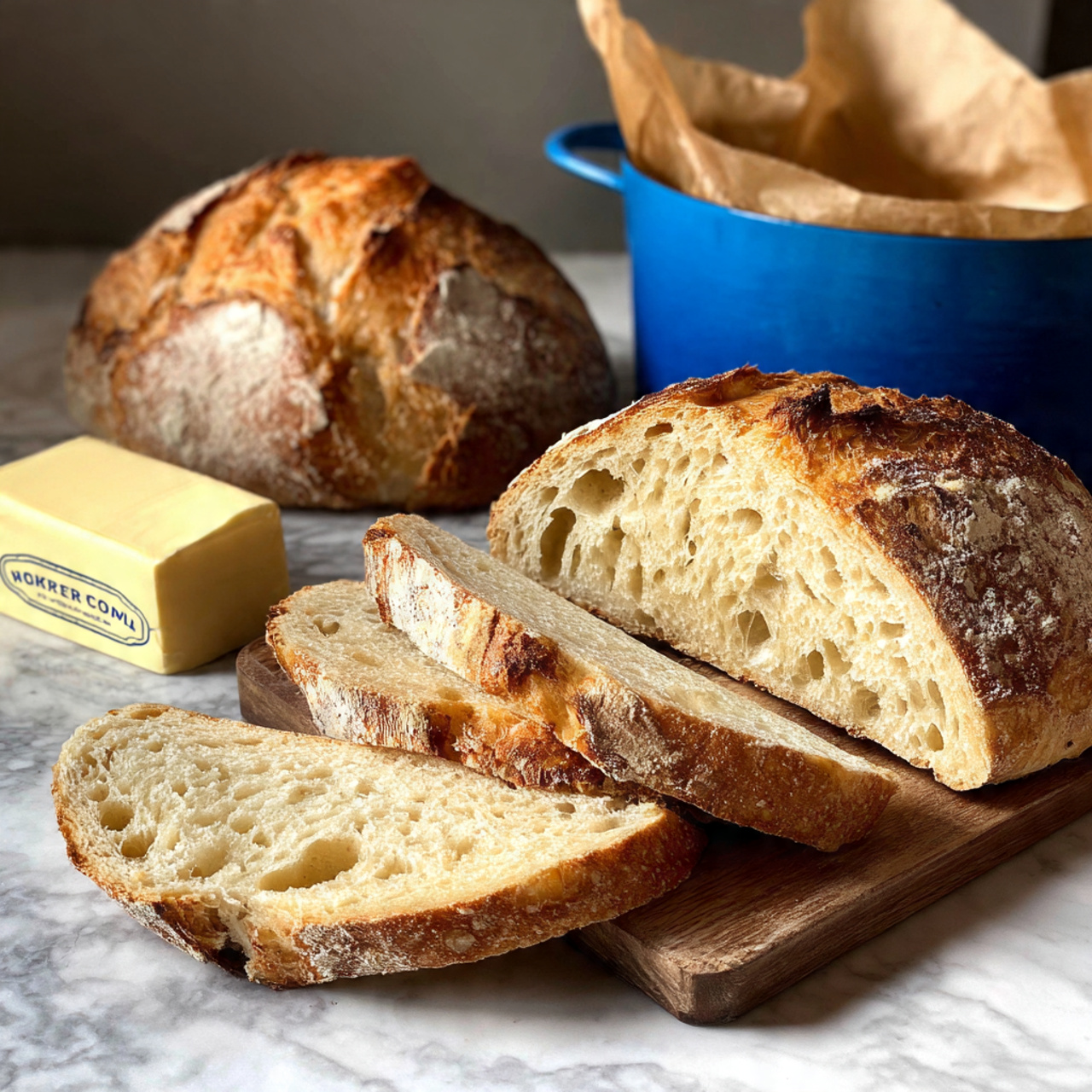
This bread shines brilliantly on its own, but feel free to dress it up with a pat of butter, a drizzle of olive oil and balsamic vinegar, or a sprinkle of flaky sea salt. Fresh herbs like rosemary or thyme on top before baking can also add fragrant notes that elevate every bite.
Side Dishes
What pairs better with crusty bread than soups and stews? This bread is ideal alongside a hearty tomato soup, creamy butternut squash bisque, or a rich beef stew. It soaks up broths beautifully while adding a satisfying crunch. Salads and cheese boards also benefit from the rustic texture.
Creative Ways to Present
Serve the loaf sliced on a wooden board alongside small bowls of flavored butters, tapenades, or hummus spreads. For brunch, turn it into crostini topped with avocado, smoked salmon, or fresh tomatoes. Toasted slices become perfect canvases for your favorite breakfast toppings.
Make Ahead and Storage
Storing Leftovers
Wrap any leftover bread loosely in a clean kitchen towel and keep it at room temperature for up to two days. This helps maintain the crust’s crunch while keeping the inside soft. Avoid plastic bags if you want to keep the crust from getting soggy.
Freezing
To freeze, slice the bread first, then place parchment or wax paper between slices to prevent sticking. Store in an airtight freezer bag for up to three months. When you’re ready, just thaw slices at room temperature or toast straight from the freezer.
Reheating
To revive crusty bread, sprinkle a few drops of water on the loaf or slices and warm in a preheated oven at 350 degrees Fahrenheit for 5 to 10 minutes. This brings back that delightful crispy crust and soft interior, fresh-baked style.
FAQs
Do I have to use a Dutch oven?
While a Dutch oven works best for mimicking professional bread ovens and creating that crisp crust, you can bake on a preheated baking sheet with a pan of water to create steam. The crust just won’t be quite the same but still delicious.
Can I use whole wheat flour instead?
You can substitute some or all of the all-purpose flour with whole wheat, but expect a denser loaf. You may need to add a bit more water as whole wheat flour absorbs more liquid.
What if I don’t have a thermometer for the water?
Warm tap water that feels comfortably warm to the touch (not hot, not cold) usually works fine. Around 100 degrees Fahrenheit activates the yeast best.
Why doesn’t the dough need kneading?
This slow-rise, high-hydration method lets the gluten develop naturally over time. The dough’s stickiness helps build the structure without the elbow grease.
How do I know when the bread is done?
The crust should be a deep golden brown, and the bread will sound hollow when tapped on the bottom. Internal temperature around 200 degrees Fahrenheit confirms doneness.
Final Thoughts
Baking bread has never felt so inviting and rewarding as with this Dutch Oven No Knead Crusty Bread Recipe. It’s straightforward, forgiving, and yields a stunning loaf perfect for any meal or snack. I truly hope you try it soon and make it your own kitchen tradition—nothing beats the pride and joy of breaking into a warm, crusty homemade loaf.
Print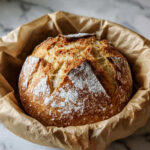
Dutch Oven No Knead Crusty Bread Recipe
- Total Time: 2 hours 55 minutes
- Yield: 8 servings
Description
This Dutch Oven No Knead Crusty Bread recipe delivers a homemade artisan-style loaf with minimal effort. Combining simple ingredients like flour, yeast, salt, and warm water, this no-knead bread uses a slow rise followed by baking in a preheated Dutch oven to achieve a beautifully crusty exterior and soft, airy interior. Perfect for beginner bakers or anyone craving fresh bakery-quality bread without complicated steps.
Ingredients
Ingredients
- 1 1/2 cups warm water (about 100°F)
- 1 packet yeast (active dry, instant, or quick rise – 2.25 teaspoons)
- 1 1/2 teaspoons fine grain salt
- 3 1/4 cups all-purpose flour
Instructions
- Mix the water, yeast, and salt: In a large bowl or container, whisk together the warm water, yeast, and salt until the yeast and salt are mostly dissolved to activate the yeast.
- Add the flour: Pour the all-purpose flour into the bowl all at once and stir until a sticky, uniform dough forms, scraping the sides with a silicone spatula as needed. The dough will be messy and sticky, adjust with a little more flour or water if necessary.
- Allow the dough to rise: Cover the bowl with a kitchen towel or leave the lid slightly ajar and let the dough rise in a warm place for 2 to 3 hours until doubled in size.
- Preheat the Dutch oven: About 30 to 60 minutes before baking, preheat your oven to 450°F and place the Dutch oven with its lid inside to heat thoroughly for at least 20 minutes after the oven reaches temperature.
- Prepare the dough for baking: Flour a piece of parchment paper and scrape the dough onto it. Shape the dough into a rough loaf by folding the edges up, then flip it over so the floured side is on top.
- Score the loaf (optional): Using a sharp knife or razor blade, cut several slits about half an inch deep across the top of the loaf to help it expand during baking.
- Bake the bread: Carefully remove the hot Dutch oven from the oven, remove the lid, and place the parchment paper with the dough into it. Cover with the lid and bake on the center rack for 35 minutes (or 40 minutes if using cold dough from the fridge).
- Finish baking uncovered: Remove the lid and bake for an additional 5 to 10 minutes until the crust is golden brown and crisp.
- Cool the bread: Remove the bread from the Dutch oven using the parchment paper edges and transfer to a wire rack or cutting board. Allow the bread to cool for at least 10 minutes, preferably 30 minutes to an hour, before slicing.
Notes
- You can store the dough in the refrigerator after it has doubled and bake it later; increase bake time by about 5 minutes for cold dough.
- Preheating the Dutch oven thoroughly is crucial to getting a crispy crust.
- Scoring the bread is optional but helps the loaf expand and creates a beautiful crust.
- Allowing the bread to cool properly improves texture and flavor before slicing.
- If the dough feels too wet or dry after mixing, adjust with small amounts of flour or water accordingly.
- Prep Time: 15 minutes
- Cook Time: 40 minutes
- Category: Bread
- Method: Baking
- Cuisine: American